It is so late and I have had a crappy day, BUT, I just have to write about an amazing thing that happened today in the classroom. Something that, for me, provides the intrinsic motivation I need to do my job and is a premium example of authentic, meaningful, real world learning--thus beautifully illustrative of MI teaching and learning. Now bear in mind, this story includes mistakes--but that is how we, as humans, learn--and it also includes solving problems that matter to society--which is what intelligence is. So, here it is, with a little background to start:
At the beginning of the year, I planned to do something exciting and different and meaningful with "weather" this year. I included it as one of our class jobs, but as September closed in, I got derailed by a thousand other more pressing matters, and never actually came up with a concrete plan--or even idea for what that something would be. The year started, and as I introduced class jobs, I simply stated that I hadn't figured out what that job would actually entail so the weather people could take a break until we came up with something.
Weeks and months passed and weather was not a popular job choice, obviously because it wasn't really a job. In January, I decided this situation was ridiculous, and I had to come up with ANYTHING, if for no other reason than to save face with my primates. I am always very careful with making promises. Breaking promises to children does not build trust, and if I'm going to get them to learn, they must trust me. So even something as insignificant as defining the weather job can go along way with building trust--because I had, at one point, promised I'd do it--and they know I don't throw that word around.
At morning meeting one day, I brought the subject up for discussion and was honest in saying that I just didn't know what to do and needed help. A few primates offered suggestions....nothing really exciting, but as a group we agreed that the job of weather would be to record the daily temperature on the calendar every morning. Our next problem was how we would gain that information, every morning. I asked them to name ways to find out the daily temperature and we made a list: watching the news on TV, looking at a thermometer, checking the dashboard of a car, the Internet. We decided the Internet would be a good option, and one of the primates suggested our school secretary announce it every day like when she announces birthdays. We wrote a letter to the principal and to our school secretary, asking if they would please announce the daily temperature with the morning announcements. The secretary came by later that day and reminded us that she doesn't do morning announcements anymore--only afternoons. OK, mistake--how did I not notice that?!?!?!?!
Anyways, we were forced to find another solution, so I offered to check it on my computer with the weather kids before morning meeting. And so we did. For about 3...maybe 4 days.
Reality enters and the usual monsoons of the 8-8:20am time period prevented this from happening regularly. One morning, realizing this and not wanting to let it go, I mentioned that I noticed the temp on my car dashboard that morning read 28 degrees Farenheit and the weather primates quickly recorded it on the calendar. A few days later, I noticed that each day since had a temperature recorded and I asked the weather primates how they got that information. They replied they had heard it on the news before school and one said he had asked his mom on the way to school. Hmmmm, I thought--very impressed with the fact that they had taken it upon themselves to do this, and relieved that the weather job was something I could let myself not feel guilty about anymore!
It's been weeks and many, many snow days, and even a vacation since then. Here and there daily temp recordings have been missed, but ALSO here and there, they are recorded. Leading me to today's events, and I do apologize for the length of this entry, but context is very important.
So I'm in the midst of a bad day--just one where a million things go wrong and circumstances beyond your control make things THAT much harder, and I'm preparing to leave early in order to address some family matters, but I have 30 precious minutes with the primates and I'm determined to make them count. As I describe the task I'm requesting from the primates, (a continuation of a drawing assessment/lesson that I will describe in full detail another day), I notice there is no temp recorded for the day and I ask, "Does anyone know what the temperature was this morning?" Suddenly a sluggish group of primates just returning from math and an hour before lunch, are excited raising their hands and spouting stories of....the day's temperature and how they got that information. "My mom's car said 6 degrees F!" "My alarm clock tells the temperature and this morning it said 9 degrees but I heard on the news 2 degrees!" "I asked my dad and he said 8 degrees!" and on and on and on....and I was suddenly shocked silent.
Here they were, my primates, actively engaged in a discussion of temperature that included accurate vocabulary, varied stories of actively using resources in their real world, taking something from the classroom into their lives outside school and bringing their lives outside school into the classroom. Here they were, in a complete stage of engagement and meaningful, purposeful learning. And it all began with the problem of coming up with a class job for weather.
In my geekishly, teacherly mind, this moment was a significant experience. This is theory to practice in that as the teacher, I presented a problem, guided them through making mistakes, failing, finding solutions, and ultimately inspiring inquiry and taking responsibility for their own learning. I feel pretty confident that my primates understand the purpose and uses of temperature, and that they are able to transfer this understanding to a variety of contexts--including how temperature is used in the real world.
There's no script to this kind of teaching--no book or program that will tell you every word you need to say, there's no guarantee that somehow attempting to replicate this experience in another classroom, with a different group or teacher will produce the same results. But the truth is, if such a program or book existed that actually worked 100% of the time with 100% of learners, schools would be using it. Teaching, real, authentic, inspired, good teaching HAPPENS. And just as we know that as humans, we learn from mistakes and failures much more often than we learn from easy success, good teaching comes from time, patience, mistakes, failures, and that intrinsic motivation to experience moments such as this.
Thursday, March 3, 2011

Tuesday, March 1, 2011
everything begins with a line
We have been exploring lines in our world--in drawings, paintings, nature, objects, and here we searched our classroom for lines of all kinds! These are a few we found:

One primate noticed angles on the easel left behind after someone painted a picture
and missed the paper!

Lots of lines on the American flag--straight, diagonal, horizontal, vertical...and angles on the stars.

Primates worked on a unifix cube train that circled the entire classroom and at some points showed curved lines, such as this.
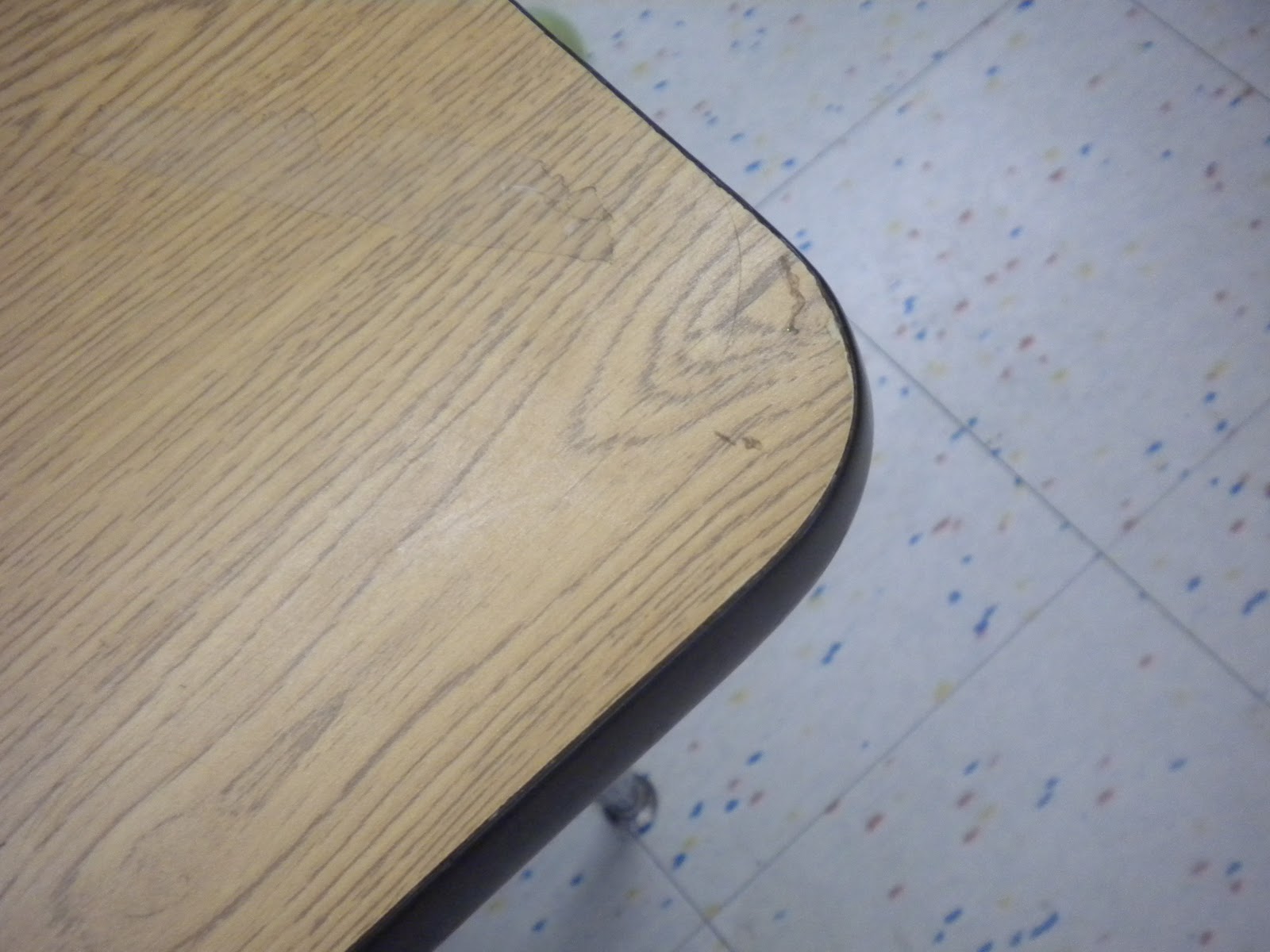
Another curved line on the edge of the table.

Mac the turtle also showed many lines on his shell--curved, straight, diagonal, wavy,
horizontal and vertical. We also found lines on his tank, light, and water bowl.
Primates are expanding their vocabulary, using and learning about directional words (which will be helpful not only in drawing but also as we work more with mapping later on), they are recognizing simple shapes and lines in things they are drawing, which enhances their artistic skills as well as observational skills. Primates worked in partners to find lines in the room and we shared our findings as a whole group--making sure to be specific about what type of line we found and where we found it. This activity, which I consider a "messing about" activity, uses experiential, foundational, aesthetic, and social entry points to engage learners, and provides a foundation for future drawing lessons.
Wednesday, February 16, 2011
catch up
ooooh so busy this session! The season of assessment, (well, at least one of the many these days) is nearing end. Report cards are done, ridiculous mid-year math tests, and developmental reading assessments, and oh, how could I forget, DIBELS....all done....for now. I read an interesting quote recently about the test mania that has taken over education (thank you Arne Duncan & all those making millions by abusing the educational system in this country). The quote went something like this: "In this country we think weighing the cow is far more important than feeding the cow." Think about that for a minute. I think about it as I look around at my students, starved for real learning experiences, and then consider all the time I've had to waste weighing this session. Plain and simple, it sucks.
Amidst all this weighing, there have been six blissful snow days that we will pay for dearly in July, and a few valuable, wonderful learning moments. Weather conditions have prevented trips to the cove, which is really a bummer because I so wanted to experience regular trips in the winter. Hopefully we'll get some more melting and be able to head over after Feb break.
I've been forced to get quite creative with indoor nature journaling. One project is a series of guided drawing lessons I borrowed from my art teacher hubby which we will complete tomorrow morning, so I'll post details and pics later. Another is exploring dragons.
One of our required themes for the year is a geography focus, and since I have a wealth of dragon literature to draw from (my son's a dragon maniac!), I decided to follow dragon stories and legends around the world. We find and mark places on our world map as we read various stories and legends. We discuss continents, oceans, habitats, the differences between fiction and non-fiction, and various literary genres. Lots of different entry points for primates to engage in as we cover required content. We are reading one of my favorite chapter books, The Dragon of Lonely Island by Rebecca Rupp, which includes three stories from various parts of the world and has entranced most of the primates. We'll finish up this week, and I did hear some moans and groans (we're still reading this???) yesterday, but for the most part, they are enjoying the book. I have also overheard on several different occasions, primates discussing vocabulary from the book, dragon "facts" they've learned, and lost of predictions about what will happen next in the story. These discussions are happening without any encouragement from me--usually over snack or when they are doing something else that reminds them of something in the book. It's wonderful to observe the primates relating to a book collectively and in their own ways.
One primate has lent us his Dragonolgy book, and also a Wizardology book, because, he stated, "Wizards are kind of mythological too." Nice vocab word that is thrown around quite a bit these days! We have read a few other dragon books and are exploring several dragon field guides. We have built dragon models, sketched and named different types of dragons, and earlier this week we wrote dragon riddles. Today we each invented our own fictional dragon creature, ie, cat dragon, chicken dragon, dragon shark, etc. I was inspired to continue the riddles project when during my instruction of how to write a dragon riddle, a primate asked if she could do a dragon shark and another asked if she could do a dragonfly. I paused and said no, but those questions had just inspired a new idea that we would discuss the next day--today.
So we invented our creatures, but primates also had the option of choosing a non-fictional creature, such as a komodo dragon, sea dragon, or dragonfly. Primates made two lists: one of characteristics of a dragon, and the other of characteristics of the creature they chose (frog, shark, pig, etc). Then they drew their creature on the inside of a folded piece of white cardstock. Tomorrow we will use our lists to write the riddles. I'm hoping we can share these with an older class on Friday--if we finish. They are coming along beautifully, and as usual, more than I expected from a last minute project idea.
One thing I love about blogging is that it allows me concrete reflection time to assess my own work as well as the primates'. Looking through an MI lens (using entry points), I see:
* exploration of the concept of fiction/non-fiction in several different ways (aesthetic, narrative, foundational, logical, social)
* learning about geography--maps, continents, oceans, organization of the world (aesthetic, narrative, foundational, social)
* analyzing characteristics of living things--OK, so maybe in our adult world dragons are not living things, but in the imaginations of 6-7-8 year olds, they are very real and primates will (hopefully) transfer this learning to actual living creatures when we resume our trips to the cove--(logical, quantative. social. foundational, experiential, aesthetic, narrative)
* identifying and creating different types of writing--legends, fic/non-fic, riddles, lists--and using them for different purposes--enjoyment, research, organization, discussion (social, narrative, foundational, quantative)
We have continued our established routines of nature journaling--even though we're drawing non-living things at times, we've maintained interest in a long story over a period of several weeks, we've accessed logical/experiential entry points through building dragon models in small groups, we've made logical predictions, discussed & explored topics socially through discussions & inquiry, we were able to follow a thread of child-directed curriculum, and everyone has been engaged in learning in different degrees at different moments.
Well, now it seems like maybe we had more than just a few valuable learning experiences this session despite the obstacles of snow days and mandated testing! I am sure if I wasn't writing through exhaustion and anticipation of my fave show Survivor's new season--(great examples of MI can be found in the challenges!!!), I'd be able to analyze this more coherently, but hopefully I've painted a picture of MI learning & teaching. From here, we will delve deeper into legends, sharpen our observation and sketching skills through more dragon related activities, continue to explore fiction/non-fiction, living/non-living, and develop more understanding of geography...along with many unexpected and authentic learning experiences! Pics to come!
Amidst all this weighing, there have been six blissful snow days that we will pay for dearly in July, and a few valuable, wonderful learning moments. Weather conditions have prevented trips to the cove, which is really a bummer because I so wanted to experience regular trips in the winter. Hopefully we'll get some more melting and be able to head over after Feb break.
I've been forced to get quite creative with indoor nature journaling. One project is a series of guided drawing lessons I borrowed from my art teacher hubby which we will complete tomorrow morning, so I'll post details and pics later. Another is exploring dragons.
One of our required themes for the year is a geography focus, and since I have a wealth of dragon literature to draw from (my son's a dragon maniac!), I decided to follow dragon stories and legends around the world. We find and mark places on our world map as we read various stories and legends. We discuss continents, oceans, habitats, the differences between fiction and non-fiction, and various literary genres. Lots of different entry points for primates to engage in as we cover required content. We are reading one of my favorite chapter books, The Dragon of Lonely Island by Rebecca Rupp, which includes three stories from various parts of the world and has entranced most of the primates. We'll finish up this week, and I did hear some moans and groans (we're still reading this???) yesterday, but for the most part, they are enjoying the book. I have also overheard on several different occasions, primates discussing vocabulary from the book, dragon "facts" they've learned, and lost of predictions about what will happen next in the story. These discussions are happening without any encouragement from me--usually over snack or when they are doing something else that reminds them of something in the book. It's wonderful to observe the primates relating to a book collectively and in their own ways.
One primate has lent us his Dragonolgy book, and also a Wizardology book, because, he stated, "Wizards are kind of mythological too." Nice vocab word that is thrown around quite a bit these days! We have read a few other dragon books and are exploring several dragon field guides. We have built dragon models, sketched and named different types of dragons, and earlier this week we wrote dragon riddles. Today we each invented our own fictional dragon creature, ie, cat dragon, chicken dragon, dragon shark, etc. I was inspired to continue the riddles project when during my instruction of how to write a dragon riddle, a primate asked if she could do a dragon shark and another asked if she could do a dragonfly. I paused and said no, but those questions had just inspired a new idea that we would discuss the next day--today.
So we invented our creatures, but primates also had the option of choosing a non-fictional creature, such as a komodo dragon, sea dragon, or dragonfly. Primates made two lists: one of characteristics of a dragon, and the other of characteristics of the creature they chose (frog, shark, pig, etc). Then they drew their creature on the inside of a folded piece of white cardstock. Tomorrow we will use our lists to write the riddles. I'm hoping we can share these with an older class on Friday--if we finish. They are coming along beautifully, and as usual, more than I expected from a last minute project idea.
One thing I love about blogging is that it allows me concrete reflection time to assess my own work as well as the primates'. Looking through an MI lens (using entry points), I see:
* exploration of the concept of fiction/non-fiction in several different ways (aesthetic, narrative, foundational, logical, social)
* learning about geography--maps, continents, oceans, organization of the world (aesthetic, narrative, foundational, social)
* analyzing characteristics of living things--OK, so maybe in our adult world dragons are not living things, but in the imaginations of 6-7-8 year olds, they are very real and primates will (hopefully) transfer this learning to actual living creatures when we resume our trips to the cove--(logical, quantative. social. foundational, experiential, aesthetic, narrative)
* identifying and creating different types of writing--legends, fic/non-fic, riddles, lists--and using them for different purposes--enjoyment, research, organization, discussion (social, narrative, foundational, quantative)
We have continued our established routines of nature journaling--even though we're drawing non-living things at times, we've maintained interest in a long story over a period of several weeks, we've accessed logical/experiential entry points through building dragon models in small groups, we've made logical predictions, discussed & explored topics socially through discussions & inquiry, we were able to follow a thread of child-directed curriculum, and everyone has been engaged in learning in different degrees at different moments.
Well, now it seems like maybe we had more than just a few valuable learning experiences this session despite the obstacles of snow days and mandated testing! I am sure if I wasn't writing through exhaustion and anticipation of my fave show Survivor's new season--(great examples of MI can be found in the challenges!!!), I'd be able to analyze this more coherently, but hopefully I've painted a picture of MI learning & teaching. From here, we will delve deeper into legends, sharpen our observation and sketching skills through more dragon related activities, continue to explore fiction/non-fiction, living/non-living, and develop more understanding of geography...along with many unexpected and authentic learning experiences! Pics to come!
Thursday, January 20, 2011
thoughts...
My usual elation regarding a snow day is subdued tonight. Can't get into why...but I feel the need to share a poem I wrote last summer, inspired by a poem written by Loris Malaguzzi of the Reggio Emilia Preschools in Italy, (widely regarded the best in the world). I'm posting both--Malaguzzi's first, followed by mine:
The Hundred Languages Of Children
The child
is made of one hundred.
The child has
a hundred languages
a hundred hands
a hundred thoughts
a hundred ways of thinking
of playing, of speaking.
A hundred always a hundred
ways of listening
of marveling, of loving
a hundred joys
for singing and understanding
a hundred worlds
to discover
a hundred worlds
to invent
a hundred worlds
to dream.
The child has
a hundred languages
(and a hundred hundred hundred more)
but they steal ninety-nine.
The school and the culture
separate the head from the body.
They tell the child:
to think without hands
to do without head
to listen and not to speak
to understand without joy
to love and to marvel
only at Easter and at Christmas.
They tell the child:
to discover the world already there
and of the hundred
they steal ninety-nine.
They tell the child:
that work and play
reality and fantasy
science and imagination
sky and earth
reason and dream
are things
that do not belong together.
And thus they tell the child
that the hundred is not there.
The child says:
No way. The hundred is there.
Loris Malaguzzi
(translated by Lella Gandini)
The child
is made of one hundred.
The child has
a hundred languages
a hundred hands
a hundred thoughts
a hundred ways of thinking
of playing, of speaking.
A hundred always a hundred
ways of listening
of marveling, of loving
a hundred joys
for singing and understanding
a hundred worlds
to discover
a hundred worlds
to invent
a hundred worlds
to dream.
The child has
a hundred languages
(and a hundred hundred hundred more)
but they steal ninety-nine.
The school and the culture
separate the head from the body.
They tell the child:
to think without hands
to do without head
to listen and not to speak
to understand without joy
to love and to marvel
only at Easter and at Christmas.
They tell the child:
to discover the world already there
and of the hundred
they steal ninety-nine.
They tell the child:
that work and play
reality and fantasy
science and imagination
sky and earth
reason and dream
are things
that do not belong together.
And thus they tell the child
that the hundred is not there.
The child says:
No way. The hundred is there.
Loris Malaguzzi
(translated by Lella Gandini)
The Teachers Know
The hundred is there!
The hundred is there!
I am a teacher
and I know this secret:
The child has 100 languages.
My job is to observe and discover,
document and guide,
provide and inspire,
encourage and push.
This is the only way to unlock the secret
and once unleashed...
The power is limitless...
obstacles are overcome, lights shine, the earth moves...
The teacher must find precious uninterrupted time
to watch and play
to imitate and wonder
to laugh and cry
to hurt and heal
to discuss and imagine
To develop thoughts, concerns, inspiration and motivation.
And the end of this beautiful journey
takes place at the beginning of another.
Each member of this marvelous group moves on
to different paths on which to share their languages with others...
and the power ignited by unleashing those
languages has added
a hundred hundred hundred more
But the teacher must know the secret
know it in every interaction,
every choice, every gaze, every time:
The hundred is there!
The hundred is there!
The hundred is there!
-KG
June 2010
Monday, November 29, 2010
more PC
A favorite activity is humming to lure the periwinkle snails out of their shells. Here's a primate at work...and by the way, this is a brief excerpt--he was at this for awhile! Love the perseverance!
 inside an empty mussel
 I think this guy is called a scud...we have to look it up. Great way to introduce field guides!
 low tide

 rock glass
 I drew a seaweed. it smelled bad. we saw a fox when we arrived. it looked sick.

Here are a few pics from the day...which made me pause to remember that the real world is a wonderful place to learn, discover, and wonder!


a staring contest with a periwinkle
We headed straight to lunch after the cove visit, so when we returned from recess, the primates revisited their sketches and shared with the whole group. Every entry was unique, personal, and followed the established journaling routine of including the date/time/tide/weather conditions. Here are a few:


This entry depicts a sewer drain the primates discovered, thanks to the low tide. It was covered in barnacles and periwinkles. I questioned this primate about writing, "very hot today"--since it was in the low 50s! She said the sun felt hot on her face. good observation and I love the heat radiating from the sun in those two swirls.
looking forward to our next trip!
Palmer Cove
We finally made it back to Palmer Cove for some nature journaling, and as with our last trip, Mother Nature was kind to us! Despite frost on the cars early this morning, there was no wind and the sun was shining and kept us warm as we explored the cove for something interesting to draw. We also lucked out with a really low tide, exposing lots of tide pools and tons of periwinkles. No crabs today--where have they gone?
As we approached the beach, one of the primates called out, "There's a dog on the beach!" We quickly realized the scraggly, skinny creature sadly scratching his ears on the shore was no dog--it was a wild fox. What a sighting! Not something we expected to see at the beach! It was sad to see the little guy slink off as we waited and watched--clearly he was not in the best of health, but the fox was subject for many primates' journal entries, and we definitely felt lucky to see him. Check it out:


As we approached the beach, one of the primates called out, "There's a dog on the beach!" We quickly realized the scraggly, skinny creature sadly scratching his ears on the shore was no dog--it was a wild fox. What a sighting! Not something we expected to see at the beach! It was sad to see the little guy slink off as we waited and watched--clearly he was not in the best of health, but the fox was subject for many primates' journal entries, and we definitely felt lucky to see him. Check it out:


aquarium visit
We were very lucky to be visited by the local aquarium last week. They focused on tide pool creatures and proper exploration techniques at the beach. Perfect connection to our big project this year! The primates were exposed to familiar vocabulary that we've been using in class & on our trips to Palmer Cove--tidepool talk! And we learned a lot of new words too. They got to touch and observe the animals and practiced taking turns, sharing, listening to and following directions. They did a great job and I was a proud teacher. Some highlights:
 moon snail
 hermit crab

 mussels, quahogs, scallops, barnacles, an oyster, periwinkles


periwinkle


horseshoe crab

Subscribe to:
Posts (Atom)